If you’ve ever been sidelined by a stubborn Achilles or a nagging patellar tendinopathy, you already know the frustration. You rest it. You ice it. Maybe you’ve tried a cortisone shot. And yet, weeks or months later, you’re still not right.
The problem isn’t your age, and it isn’t bad luck. There’s a specific biochemical reason your tendon keeps stalling — and once you understand it, the path forward becomes a lot clearer. It’s also why advanced tendon healing protocols that work at the cellular level are gaining serious traction among athletes and clinicians who’ve exhausted conventional options.
Why Tendons Are So Slow to Heal

Tendons are built tough. They’re designed to handle enormous loads day after day. But that toughness comes with a trade-off: tendons have a very limited blood supply. Less blood means fewer repair resources, less oxygen, and a much slower healing timeline compared to muscles or skin.
Here’s where it gets worse. When you push a tendon hard — through training, overuse, or a sudden load — the physical stress temporarily cuts off blood flow to the tissue. When you stop and blood rushes back in, that rapid return actually triggers a damaging reaction, flooding the area with unstable molecules called reactive oxygen species, or ROS.
Think of ROS as cellular rust. In small amounts, they’re manageable. But when they accumulate — which they do in an overloaded, blood-starved tendon — they set off a chain reaction of inflammation and tissue breakdown that the tendon simply can’t keep up with. The result is a healing environment that’s actively working against you.
The Real Reason Growth Signals Stop Working

Your body isn’t passive in all of this. It sends in repair signals, most notably a growth factor called IGF-1, which normally tells cells to build new collagen and restore damaged tissue.
The problem is that the oxidative environment created by all that cellular rust essentially jams the receiver. Two molecular “brakes” — known as PTP1B and PTEN — get switched on by the excess oxidative stress and block IGF-1 from doing its job. The signal arrives, but the cell can’t respond to it.
This is why injured tendons get stuck. It’s not that your body has stopped trying to heal. It’s that the healing signals are being actively blocked at the cellular level. The tissue is sitting in a state of chronic, low-grade degeneration — not because repair isn’t being attempted, but because the repair machinery has been shut down by oxidative interference.
Standard treatments don’t touch this mechanism. That’s exactly the gap that advanced tendon healing protocols are designed to close.
Why Peptides Alone Often Fall Short
Growth hormone secretagogue peptides — compounds like CJC-1295, Ipamorelin, and Sermorelin — have become popular in recovery-focused circles, and for good reason. They stimulate your pituitary gland to release more growth hormone, which raises IGF-1 levels both in circulation and locally in tissues.
But here’s the catch: if the tendon’s cellular environment is still locked in that oxidative, pro-inflammatory state, flooding the area with more IGF-1 signals doesn’t solve the problem. It’s like pressing harder on the accelerator when the emergency brake is still engaged. You’re generating signal, but none of it is getting through.
This is the gap that most peptide protocols miss, and it’s why so many people using secretagogues for injury recovery hit a frustrating plateau.
The Missing Piece: Clearing the Path First
What separates truly advanced tendon healing protocols from a basic peptide stack is the sequencing — specifically, addressing the oxidative blockade before trying to drive anabolic signaling.
That’s where glutathione comes in.
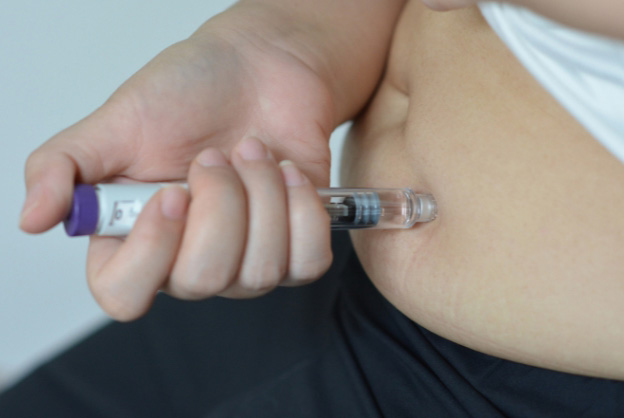
Glutathione is your body’s most powerful built-in antioxidant. When introduced therapeutically — typically via injection or IV — it provides a concentrated local shield against the oxidative stress driving the cellular jam. It neutralizes the excess ROS, dials back the overactive molecular brakes, and essentially restores the tenocyte’s ability to receive and respond to IGF-1.
Once that blockade is cleared, the secretagogue peptides can finally operate the way they’re intended to. IGF-1 signals get through, the PI3K/Akt/mTOR pathway activates, and the cells begin laying down new Type I collagen — the structural protein that makes tendons strong, resilient, and durable.
Getting the Protocol Right

The biochemistry only works if the timing is dialed in. A well-structured protocol rests on three key pillars:
Glutathione sets the stage. The antioxidant intervention doesn’t replace the peptides — it makes them effective. Address the oxidative environment first, then drive the anabolic signal. Sequence matters.
Peptide timing matters. Secretagogues need to be taken in a fasted state, at least two hours after your last meal. Elevated blood glucose and insulin suppress the growth hormone pulse you’re trying to create, meaning eating right before your dose essentially cancels it out.
Nighttime dosing amplifies results. Your body naturally releases a significant surge of growth hormone during deep sleep. Dosing secretagogues before bed aligns with that natural rhythm and compounds the healing effect.
The Bottom Line
Chronic tendon injuries don’t have to be a permanent fixture in your life. The reason they stall isn’t mysterious — it’s biochemical, it’s specific, and it’s completely addressable. Advanced tendon healing protocols that pair glutathione’s environment-clearing effect with the anabolic signal of growth hormone secretagogue peptides attack the problem from both ends: neutralizing what’s blocking repair and amplifying what drives it.
At Telehealth Connect, we specialize in resetting this cellular environment to kickstart true tissue recovery. If you’re dealing with a stubborn tendon injury that hasn’t responded to conventional treatment, speak with our licensed clinician. A proper biomarker workup can confirm whether this kind of cellular-level intervention is the right next step for your recovery journey.