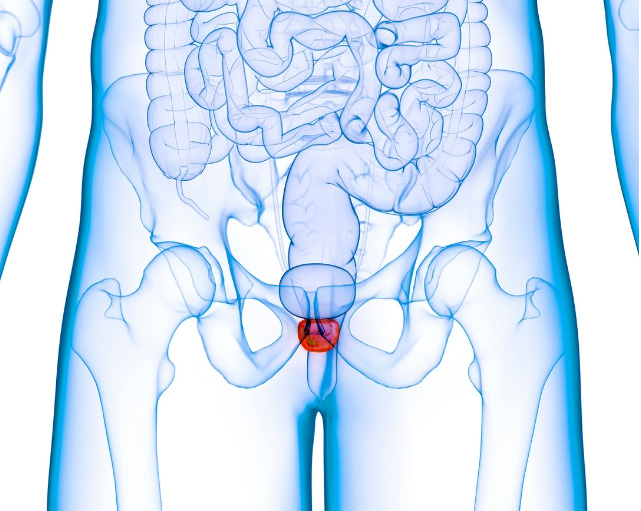
In the United States, the average life expectancy for a woman is 81.4 years. For a man, that number drops sharply to 76.5. That nearly five-year gap is not a biological accident; it is the direct result of a distinctively male cultural script. Most men ignore their health entirely until a sudden, catastrophic crisis forces them to pay attention.
A sharp chest pain, a dizzy spell, or a friend’s unexpected hospital stay usually serves as the ultimate wake-up call. Between building demanding careers, raising families, and managing daily stress, routine maintenance falls to the bottom of the priority list. We get busy, feel invincible, and assume our bodies will just keep up.
However, understanding the top forces driving male mortality is your best advantage for survival. These primary threats are highly manageable, not inevitable. Taking a proactive approach allows you to stay ahead of any real danger.
The Six That Take Men Too Soon

Data reveals a clear pattern in male mortality. Heart disease takes the top spot, followed closely by cancer. The other leading threats rounding out the top six include accidents, stroke, and chronic lower respiratory diseases. Finally, conditions like diabetes and chronic liver disease rank incredibly high, often creeping up silently over decades.
It sounds intimidating, but there is an encouraging silver lining: most of these leading causes share overlapping, highly addressable risk factors. Carrying extra weight, leading a sedentary lifestyle, and smoking dramatically increase your risk across the board.
Because these drivers are closely connected, making a few smart, targeted adjustments pays massive dividends. You do not need to overhaul your life overnight. Small, consistent lifestyle tweaks create a massive ripple effect in your longevity.
Why Men Wait (And Why That’s the Problem)
A familiar cultural script explains why men avoid doctor visits and routine screenings. We minimize symptoms, blame fatigue on a tough work week, and assume everything is fine if nothing actively hurts. Many men feel skeptical of clinical settings when they generally feel strong; they prefer not to look for trouble if there is no obvious problem.
The real danger is that the heaviest hitters in men’s health are completely stealthy. Conditions like hypertension, liver stress, and arterial disease progress silently without triggering physical alarms. High blood pressure, for example, quietly damages your blood vessels for years before causing a cardiac event. By the time you feel a concrete symptom, the underlying damage has already been building for a long time.
As we age, poor sleep, chronic stress, and a few extra pounds exact a much higher toll on our systems. Ignoring your baseline health metrics gives these silent conditions a free pass to develop undisturbed. Meeting with a healthcare provider early puts you firmly in control of your future.
It’s Not Just the Heart
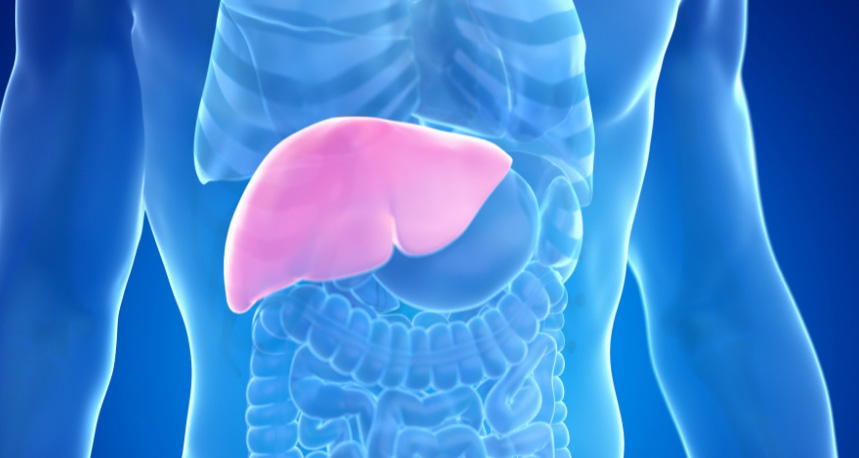
Cardiovascular health gets the most attention, but keeping your whole system running smoothly requires a wider lens. Stroke prevention relies heavily on managing blood pressure and cholesterol levels—a proactive strategy that directly protects the brain’s delicate vascular network from sudden disruptions. You must protect the blood flow to your brain just as fiercely as the blood flow to your heart.
Likewise, chronic liver disease often flies completely under the radar until it reaches a critical stage. Your liver is a massive, hardworking filter that easily becomes overwhelmed by excess weight, poor diets, or regular alcohol consumption. It rarely shows early warning signs while it is actively struggling.
Many men assume that if their heart is fine, they are entirely in the clear. However, your brain, liver, and blood vessels are deeply interconnected systems. Addressing your heart disease risk factors automatically shields these other vital organs from taking a hit. It is all about protecting the whole engine.
What Actually Moves the Needle
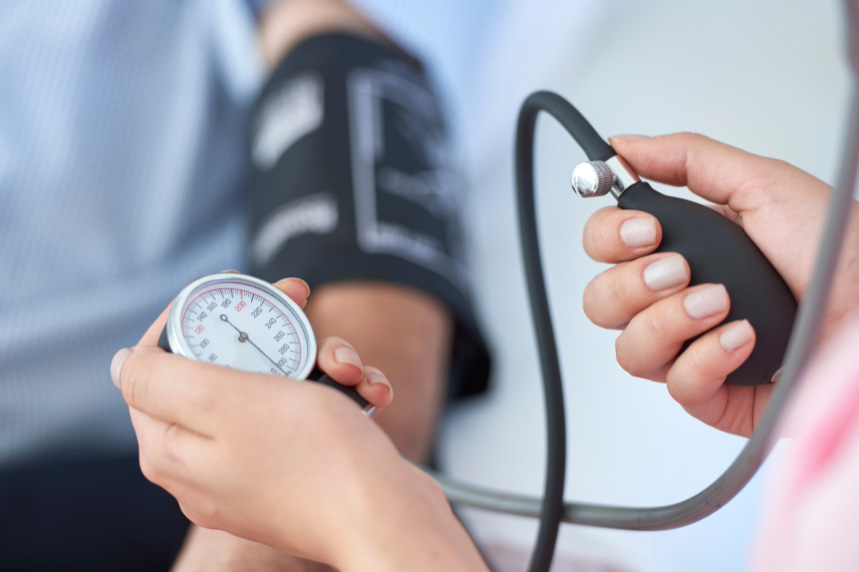
Taking charge of your preventive health does not require drastic, miserable lifestyle changes. The most effective strategies are practical, sustainable, and focused on gathering good data. Knowing your numbers is the absolute cornerstone of early detection.
- Get your baselines. Schedule routine blood pressure monitoring, a comprehensive lipid panel, and liver enzyme checks with a licensed clinician. These simple tests tell you exactly what is happening under the hood before problems arise.
- Build your defense. Regular resistance training and cardiovascular activity keep your heart strong and your blood vessels flexible. Because physical activity improves how your body processes sugar, it directly lowers your diabetes risk.
- Prioritize quality recovery. Ensure you get restorative sleep every single night. Your body actively uses that downtime to repair cellular damage, manage stress hormones, and regulate your metabolism.
- Moderate your intake. Alcohol directly impacts both your blood pressure and your liver function. Practicing alcohol moderation is a highly effective, immediate defensive move.
- Fuel your body smartly. Aim for balanced nutrition by swapping highly processed items for lean proteins, healthy fats, and high-fiber foods.
Finally, pay close attention to any subtle changes in how you feel day to day. If you experience persistent fatigue, unexplained weight changes, or digestive shifts, flag them to a healthcare provider immediately.
Your health is your most valuable asset, and protecting it is entirely within your control. The biggest threats to your life rely on you ignoring them until it is too late. Small, consistent steps today can protect your future and keep you active, strong, and capable for decades to come. Schedule a baseline panel with a licensed clinician; most conditions that kill can also be caught early.