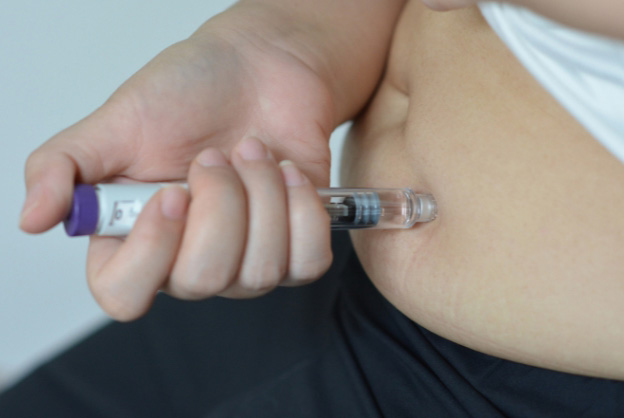
The rise of GLP-1 medications has revolutionized weight management, empowering countless individuals to achieve life-changing health milestones. However, as the number on the scale drops, many discover an unexpected side effect: rapid changes to facial appearance and skin elasticity. If you have noticed hollowed cheeks, deepened folds, or a sudden loss of youthful firmness after losing weight, you are not alone.
Fortunately, modern aesthetics has evolved rapidly. Today, healthcare providers utilize a suite of advanced 2026 skin rebound technologies designed to restore balance, volume, and radiance to your complexion.
The Reality of Facial Volume Loss
A common scenario in clinics today involves patients who reach their target weight after months on a GLP-1 regimen. While they feel more energetic and metabolically healthier than they have in decades, they are often distressed by what they see in the mirror. Significant hollowing in the cheeks and temples, alongside loose, sagging skin around the jawline, can create a frustrating disconnect between internal vitality and external appearance.
When treating GLP-1 skin changes, it helps to understand the underlying structural mechanisms at play:
- Subcutaneous Fat Depletion: Rapid weight reduction does not differentiate between body fat and facial fat. As structural fat diminishes, the face undergoes noticeable volume loss.
- Protein Degradation: This catabolic state accelerates the breakdown of collagen and elastin, the structural proteins that prevent sagging.
- Nutrient Depletion: Caloric restriction can deplete vital nutrients and fatty acids, compromising the skin barrier and leaving the complexion dehydrated and dull.
Advanced 2026 Skin Rebound Technologies
To counteract these specific structural challenges, the aesthetics community has developed targeted, multi-modal treatment tracks:
1. Exosome Facial Therapy
Exosome therapy is the gold standard for non-invasive skin rejuvenation. These microscopic vesicles act as cellular messengers, directly instructing skin cells to produce younger collagen and elastin without artificially inflating facial volume.
- Standardized Potency: Modern exosomes provide a highly concentrated, standardized dose of growth factors and messenger RNA.
- Rapid Recovery: They require minimal downtime (often just 6–12 hours) and actively reduce the chronic inflammation associated with rapid fat loss.
2. Biostimulators and Hyaluronic Acid Fillers
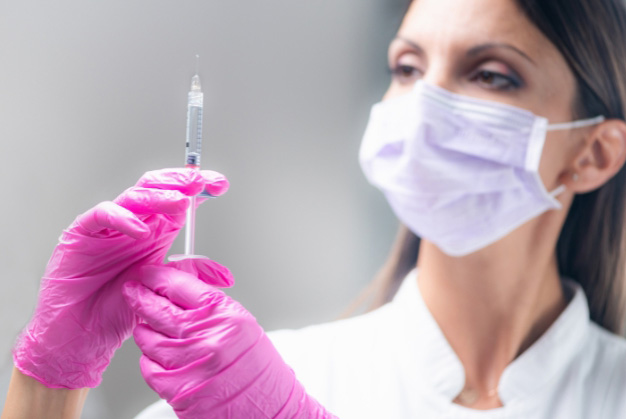
To address profound volume depletion, healthcare providers frequently combine two distinct types of dermal injectables:
- Hyaluronic Acid (HA) Fillers: Products like Restylane and Juvederm offer immediate volume replenishment, lifting sunken cheeks and smoothing deep folds to restore facial harmony.
- Biostimulators: Treatments such as Sculptra (Poly-L-lactic acid) and Radiesse (Calcium Hydroxylapatite) work gradually. They stimulate your body’s natural collagen production to provide sustained structural support and long-term tissue remodeling over several months.
3. Advanced Autologous Fat Grafting
For permanent restoration using your own tissue, modern fat transfer techniques precisely target specific anatomical layers:
- Macrofat: Injected into deep planes to rebuild structural support in the cheek (malar) region, nasolabial folds, and jawline.
- Microfat: Applied superficially, this highly processed fat contains a rich stromal vascular fraction that dramatically improves skin texture, quality, and fine wrinkles.
Topical Innovations for Home Care
Protecting the skin barrier at home is just as critical as undergoing in-office procedures.
- Ceramides: Rapid weight loss can deplete the body’s natural ceramide levels, causing dryness, scaling, and irritation. Ceramide-enriched moisturizers rapidly repair the skin barrier and lock in essential hydration.
- Methylene Blue: This potent, mitochondria-targeted antioxidant enhances cellular respiration, boosts collagen and elastin synthesis, and rejuvenates aged fibroblasts slowed down by a caloric deficit.
Proactive Steps for Skin Longevity
Beyond aesthetic procedures, managing your skin requires a proactive lifestyle approach during your weight loss journey:
- Maintain Protein Intake: Consume 1.6 grams of protein per kilogram of body weight daily to preserve lean tissue and supply the amino acids necessary for collagen synthesis.
- Prioritize Resistance Training: Engage in structured strength training at least three times a week to preserve the underlying musculature that provides critical structural support for your skin.
Don’t let the visible side effects of your medication overshadow your incredible progress. Contact us today to book an appointment, and let us design a customized facial balancing and skin longevity plan tailored to your unique needs.