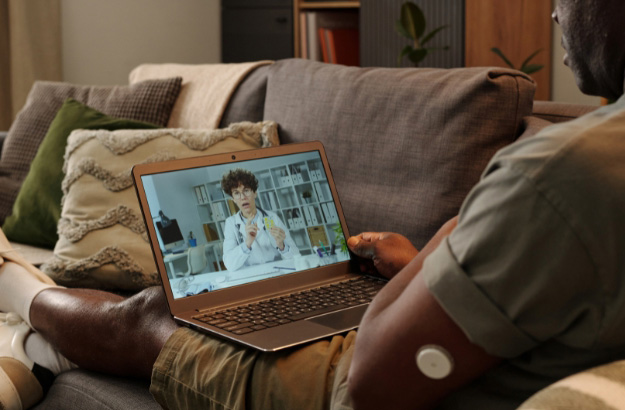
Imagine receiving top-tier, hospital-level medical care without ever having to leave the comfort of your living room. For decades, the traditional healthcare model required patients to travel to infrastructure-heavy hospitals and clinics to manage acute illnesses and chronic conditions. Today, a revolutionary shift is underway. Driven by rapid digital innovation, changing patient preferences, and the need for more efficient healthcare delivery, the medical industry is moving care directly to where patients are most comfortable: their homes. By embracing telehealth, remote monitoring, and innovative at-home care models, health systems are redefining wellness and unlocking new levels of patient satisfaction.
A New Era of Health and Wellness: The Hospital-at-Home Model

The concept of bringing acute hospital care into the home was accelerated significantly by the COVID-19 pandemic, prompting health systems to reconsider how and where they deliver care. The Centers for Medicare & Medicaid Services (CMS) supported this transition by launching the Acute Hospital Care at Home (AHCAH) initiative, which provided hospitals with expanded flexibility to treat patients in their homes.
This model is particularly well-suited for patients who need hospital-level care but are stable enough to be monitored remotely. Conditions with well-defined treatment protocols—such as congestive heart failure, pneumonia, cellulitis, and chronic obstructive pulmonary disease (COPD)—are excellent candidates for this approach.
The Shift Toward Value-Based Care in the Home
As health systems move away from traditional fee-for-service payment models, they are increasingly adopting Value-Based Care in the Home. At its core, Value-Based Care in the Home is a framework that rewards healthcare providers based on the quality of patient outcomes rather than the volume of services delivered. This model is anchored in a comprehensive “value equation” that seeks to achieve three primary goals: improve clinical outcomes, enhance the patient experience, and reduce overall healthcare costs.
Embracing Value-Based Care in the Home presents a compelling opportunity for long-term growth and better health management. By focusing on high-impact services, providers can successfully implement this model through the following avenues:
- Post-Acute Skilled Nursing: Providing immediate skilled support after a hospital discharge to accelerate healing and reduce the risk of infection.
- Chronic Disease Management: Utilizing regular check-ins to keep vital signs steady, manage long-term illnesses, and prevent expensive medical flare-ups.
- Palliative and Hospice Support: Controlling pain and symptoms to ensure dignity and a high quality of life during serious illness.
- Transitional Care Coordination: Ensuring seamless handoffs between care settings to close care gaps and reduce medication errors.
Services That Power the Home Healthcare Model
To deliver effective Value-Based Care in the Home, providers are equipped to bring a wide array of sophisticated services directly to a patient’s residence. These include:
- Diagnostic Studies: Performing electrocardiograms (EKGs), echocardiograms, and X-rays right in the living room.
- Advanced Treatments: Administering oxygen therapy, intravenous (IV) fluids, and IV antibiotics.
- Specialized Care: Offering on-site respiratory therapy, pharmacy services, and rehabilitative physical and occupational therapies.
Key Advantages for Older Adults and Chronic Disease Management

The U.S. senior population is projected to exceed 70 million by 2030, and many of these individuals strongly prefer the convenience and affordability of aging in place. Home healthcare is uniquely positioned to support this demographic, particularly those managing complex cardiovascular conditions like heart failure, which is the most common hospital discharge diagnosis among older adults.
When treating older adults, Value-Based Care in the Home can seamlessly integrate “Age-Friendly Health Systems” frameworks, focusing on the “4Ms”: What Matters, Medications, Mentation, and Mobility. Through continuous biometric monitoring and telehealth technologies, healthcare providers can track daily changes in a patient’s physical and mental health that might otherwise go unnoticed between traditional in-person office visits.
The results speak for themselves. Studies show that patients receiving care through home hospital models experience a 20% reduction in mortality, fewer readmissions, and a significant drop in healthcare costs—sometimes treating an acute care episode for 38% less than traditional hospital care.
Navigating the Digital Health Divide
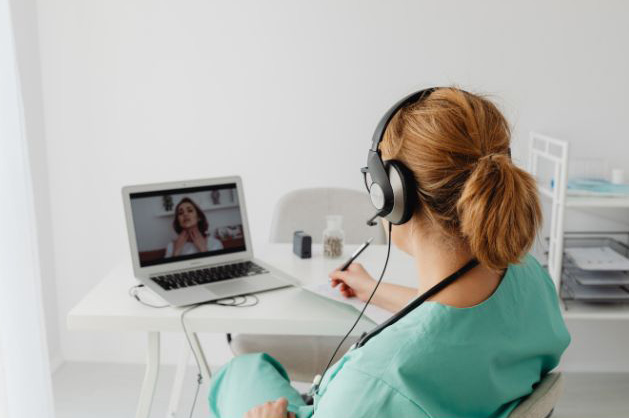
While the benefits of remote and at-home care are vast, successful implementation requires overcoming several operational and structural barriers. Digital health equity is a critical factor; for instance, a quarter of older adults in the U.S. do not use the internet, and lower-income populations often lack access to necessary broadband infrastructure.
To ensure Value-Based Care in the Home is accessible to everyone, healthcare systems must invest in intuitive, user-centered technologies. Implementing simple solutions—such as dispatching “digital navigators” to help patients use technology or deploying community paramedics to perform in-home assessments—ensures that patients of all backgrounds and technological skill levels can benefit from these cutting-edge care models.
Conclusion: Partnering with You for Better Health
The traditional healthcare infrastructure is changing. By leveraging technology, prioritizing patient comfort, and focusing on measurable health outcomes, Value-Based Care in the Home is proving that the safest, most effective place to heal is often exactly where you already live. Whether you are managing a chronic condition, recovering from an acute illness, or seeking high-quality rehabilitative support, bringing care into your home is the smartest path forward.Are you ready to experience the future of personalized, at-home medicine? Contact us today or book an appointment with our care team to learn how our home healthcare programs can support your health, wellness, and independence.