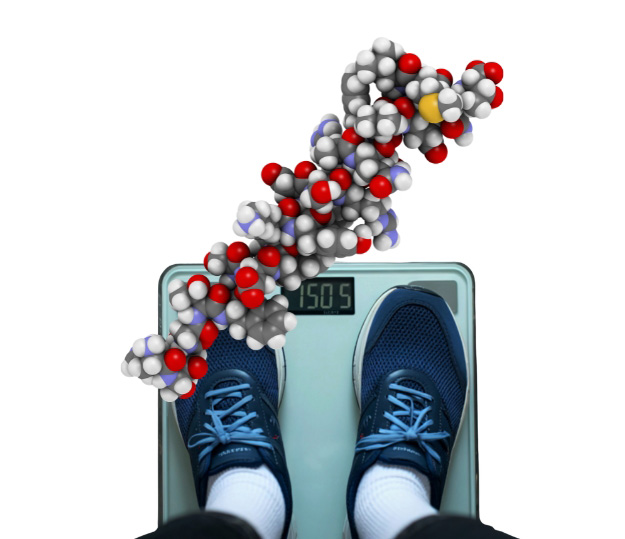
Have you ever pushed yourself to the limit in the gym, only to spend the following days battling intense soreness, stiffness, and fatigue? You are not alone. In the constant pursuit of optimal fitness, total health optimization, and longevity, athletes and health enthusiasts are continually searching for better ways to heal and rebuild. Enter peptides. Often described as a “middle ground” between traditional dietary supplements and heavy anabolic drugs, these powerful compounds are making significant waves in the sports and wellness industries. Whether you are fighting age-related muscle decline or simply looking to bounce back faster from intense training, utilizing peptides for muscle recovery after a workout might be the scientifically backed tool you need.
What Are Peptides and How Do They Work?

At their core, peptides are short chains of amino acids—typically ranging from 2 to 50. If amino acids are individual bricks, a peptide is a single row of bricks used to eventually construct a complete protein house. Because of their relatively simple structure, your body can often utilize them more efficiently than intact, complex proteins.
Peptides generally fall into two distinct categories:
- Bioactive Peptides: These are naturally derived from food sources like meat, dairy, eggs, fish, and legumes, or produced through natural enzymatic breakdown processes. They possess natural structures and often provide antioxidant or antimicrobial benefits.
- Synthetic Peptides: Created artificially in laboratories, these are specifically designed with tailored structures to mimic natural bodily functions. This targeted design allows them to address precise biological activities with heightened specificity.
The Science of Peptides for Muscle Recovery After Workout
When considering peptides for muscle recovery after a workout, the science points to their unique ability to act as highly targeted messaging systems within the body. Instead of merely treating the superficial symptoms of soreness, peptides work by binding to specific receptors on the surface of your cells, triggering highly specific intracellular effects.
This specific targeting allows peptides to send biological solutions directly to the problem areas. By influencing gene expression and cellular behavior, the right peptides can strongly upregulate muscle protein synthesis, aid in rapid recovery, and increase overall muscular strength.
Top Peptides Used for Enhancing Recovery
Research and clinical orthopedic practice highlight specific categories of peptides that strongly support muscle health and physical function:
- Collagen Peptides: Currently boasting the most robust clinical evidence in the peptide hierarchy, oral collagen peptides are highly validated. When combined with resistance training, studies show they significantly improve body composition, increase fat-free muscle mass, and enhance strength. Furthermore, collagen peptides can induce beneficial adaptations within connective tissues, accelerating recovery and significantly reducing activity-related joint pain.
- Growth Hormone Secretagogues (GHSs & GHRPs): These synthetic, injectable peptides stimulate the pituitary gland to naturally release human growth hormone (HGH). This hormonal surge triggers the liver to produce IGF-1, an active chemical that plays a crucial role in regulating protein synthesis, muscle cell development, and tissue repair. Specific peptides in this category, such as CJC-1295 and Ipamorelin, are frequently used by fitness enthusiasts because they can promote sustained increases in growth hormone levels while mirroring the body’s natural pulsatile secretion patterns.
A Real-World Perspective: Overcoming the Recovery Wall
Consider the experience of a 68-year-old fitness enthusiast who noticed his post-training soreness was lingering for days, accompanied by a stubborn decline in his physical strength. Concerned that sarcopenia—the age-related loss of muscle mass driven by cellular changes—was stalling his progress, he sought professional medical guidance. He reached out to us after finding standard whey protein insufficient for his performance goals. Following current clinical evidence, he adopted a daily oral collagen peptide regimen combined with a tailored resistance training program to support his joint health and increase his muscle volume. To further address his systemic recovery deficits, we carefully introduced a closely monitored trial of a growth hormone secretagogue, a therapy shown to modestly improve lean body mass and physical function in older adults. This highly targeted, medically supervised protocol allowed him to break through his recovery plateau, reclaim his strength, and safely return to a heavy, active lifting schedule without relying on riskier pharmaceutical interventions.
Are Peptides Safe? Understanding the Risks

While the targeted benefits of peptides for muscle recovery after a workout are compelling, navigating this landscape requires care and realistic expectations. Experts note that peptides offer a unique “middle ground” for those seeking performance enhancement without the severe, systemic risks associated with traditional anabolic steroids.
However, safety and efficacy vary significantly depending on the specific type of peptide used:
- Oral collagen peptides are widely considered safe, effective, and well-tolerated, demonstrating significant results without adverse metabolic effects.
- Injectable growth hormone secretagogues demonstrate modest improvements in lean muscle mass but carry potential metabolic side effects. Clinical trials have noted that users may experience fatigue, insomnia, water retention, and small increases in fasting glucose and insulin resistance.
Ongoing clinical trials, such as the multicenter studies involving researchers at the Mayo Clinic, are continually investigating how manipulating muscle health and combating cellular senescence can safely improve physical function and health span in aging populations. Because individual reactions can vary based on a person’s unique biochemistry, experts strongly advise against purchasing unregulated supplements online.
Elevate Your Recovery Strategy
Optimizing your fitness journey goes beyond simply pushing weights in the gym; it requires giving your body the specific cellular tools it needs to rebuild. Whether through highly researched oral collagen supplements or advanced, medically supervised injectables, utilizing peptides for muscle recovery after a workout can profoundly impact your strength, healing speed, and long-term vitality.Because the landscape of synthetic and bioactive peptides is complex and carries nuanced metabolic risks, working with a knowledgeable medical professional is critical. Contact us or book an appointment today to consult with our healthcare providers and discover a safe, personalized recovery protocol tailored to your unique fitness goals.