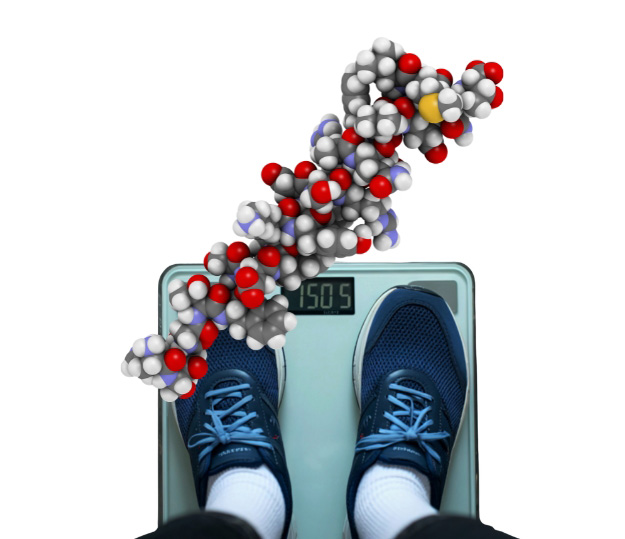
Aging is a natural, multifactorial process, but for women entering menopause, the changes to the skin can feel sudden and profound. As the body’s largest organ, the skin serves as a barrier and a sensory interface, but its functions become compromised over time. While we cannot stop the clock, modern dermatology has moved beyond simple moisture to regenerative science. Among the most promising advancements in this field are peptides—short chains of amino acids that act as the building blocks of proteins like collagen and elastin.
For post-menopausal women, peptides offer a targeted approach to skin rejuvenation, moving from purely cosmetic fixes to restoring skin health and function. If you are noticing dryness, thinning, or a loss of firmness, understanding the science of peptides could be the key to revitalizing your complexion.
The Menopausal Shift: Why Skin Changes
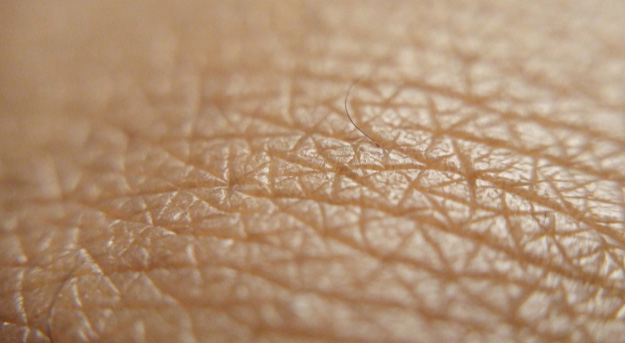
To understand why peptides are effective, we must first understand what happens to the skin during menopause. This phase of life brings significant hormonal alterations, specifically a decline in estrogen. Estrogen is essential for maintaining skin thickness, hydration, and elasticity.
As estrogen levels drop, the skin experiences:
- Reduced Collagen Synthesis: Collagen production mirrors estrogen levels; when one falls, so does the other, leading to wrinkles and sagging.
- Dermal Thinning: The skin becomes more fragile, a condition sometimes referred to as “dermatoporosis” or cutaneous insufficiency.
- Dryness: Hormonal shifts reduce sebaceous activity and hydration retention.
While extrinsic factors like UV radiation and pollution accelerate these changes by generating reactive oxygen species (ROS), the intrinsic hormonal shift requires a specialized approach. This is where Peptides for healthy aging benefits: A guide for post-menopausal skin becomes essential reading for your skincare journey.
Peptides for Healthy Aging Benefits: A Guide for Post-Menopausal Skin

Peptides are naturally occurring biological molecules that regulate a variety of physiological activities. In the world of dermatology, they act as “messengers,” signaling skin cells to perform specific functions, such as building more collagen or reducing inflammation.
For post-menopausal skin, which struggles with a slowed cellular turnover and decreased protein synthesis, peptides can essentially “wake up” the skin’s manufacturing processes. They are classified based on their specific mechanism of action, making it possible to tailor a regimen to your specific needs.
1. Signal Peptides: The Collagen Boosters
Signal peptides are perhaps the most vital for post-menopausal skin. They work by mimicking the breakdown of collagen, tricking the body into thinking it needs to repair tissue, thereby stimulating new production.
- Palmitoyl Pentapeptide-4 (Matrixyl®): This well-researched peptide stimulates fibroblasts to produce Collagen I and III, leading to thicker, firmer skin and a reduction in fine lines.
- Palmitoyl Hexapeptide-12: This peptide helps reduce pro-inflammatory cytokines (immune system molecules) that can degrade the skin matrix, helping to maintain skin integrity.
2. Carrier Peptides: Delivering Vital Nutrients
Carrier peptides stabilize and transport essential trace elements, such as copper and manganese, to skin cells. These elements are crucial for enzymatic processes involved in healing and regeneration.
- Copper Tripeptide-1 (GHK-Cu): Known for its wound-healing properties, this peptide stimulates blood vessel growth (angiogenesis) and nerve regeneration. It helps rebuild damaged tissue and tightens loose skin, directly addressing the thinning associated with estrogen loss.
- Manganese Tripeptide-1: This peptide serves as an antioxidant, helping to neutralize free radicals caused by UV radiation, which is critical for preventing further photoaging.
3. Neurotransmitter Inhibitor Peptides: The “Botox-Like” Effect
Years of facial expressions eventually etch lines into the skin. Neurotransmitter inhibitor peptides reduce the release of acetylcholine, the chemical that causes muscle contraction.
- Acetyl Hexapeptide-3 (Argireline®): By destabilizing the complex required for muscle contraction, this peptide relaxes facial muscles, smoothing out expression wrinkles without invasive procedures.
- Pentapeptide-18 (Leuphasyl®): This peptide mimics the body’s natural enkephalins to reduce neuronal activity, softening lines and wrinkles.
4. Enzyme Inhibitor Peptides: Preserving What You Have
It is not enough to build new collagen; you must also stop the destruction of existing collagen. Enzymes called Matrix Metalloproteinases (MMPs) break down structural proteins. Enzyme-inhibiting peptides, often derived from sources such as rice or soy, block these destructive enzymes.
- Soy and Rice Peptides: These offer antioxidant protection and inhibit the enzymes that degrade the skin matrix, helping to maintain density and prevent sagging.
Overcoming the Absorption Challenge
While the science is compelling, peptides face a hurdle: the skin barrier. The stratum corneum is designed to keep things out, and many peptides are hydrophilic (water-loving) and large, making it difficult for them to penetrate deep into the dermis where they are needed.
To ensure you get the maximum peptides for healthy aging benefits, look for professional-grade formulations that utilize advanced delivery systems:
- Liposomes and Niosomes: These are microscopic vesicles that encapsulate peptides, allowing them to pass through the outer layer of the skin and release their active ingredients deep within.
- Nanoemulsions: These formulations improve the stability and permeability of peptides like Copper Tripeptide-1, ensuring they reach their target cells.
- Chemical Enhancers: Ingredients like fatty acids or propylene glycol can temporarily alter the skin barrier to allow better absorption.
Beyond the Surface: A Holistic Approach
While topical application is crucial, skin health is also a reflection of internal well-being. Emerging research suggests that oral supplementation of bioactive peptides, particularly collagen peptides, can support musculoskeletal health and muscle strength. Combined with resistance training, collagen supplementation has been shown to increase fat-free mass and muscle strength in older adults. Since the skin is supported by facial muscles and bone structure, maintaining overall musculoskeletal health contributes to a more youthful appearance.
Closing Thoughts
Navigating skin changes after menopause can be challenging, but you are not without tools. The transition from estrogen-rich skin to post-menopausal skin requires a shift in strategy—from simple protection to active regeneration. Peptides offer a sophisticated, scientifically backed method to communicate with your cells, encouraging them to repair, rebuild, and rejuvenate.
By incorporating a mix of signal, carrier, and enzyme-inhibiting peptides into your routine—delivered through advanced formulations—you can combat dryness, thinning, and wrinkles effectively.
Ready to revitalize your skin health? Navigating the world of cosmeceuticals can be complex. If you want to create a personalized skincare plan tailored to your unique hormonal and biological needs, we are here to help.Contact us today or book an appointment with us to discover the perfect peptide regimen for your skin.