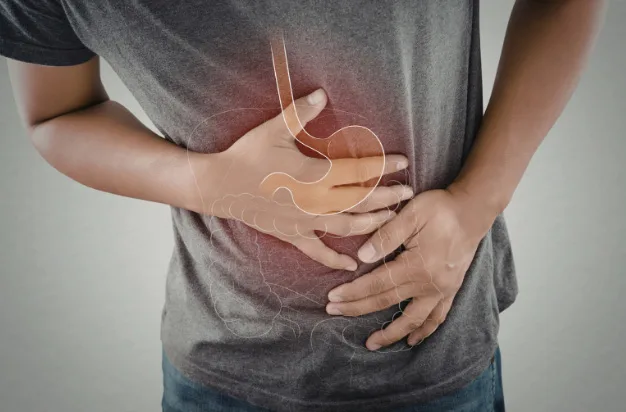
When sudden, severe gastrointestinal distress strikes, it is easy to panic. Within a matter of hours, you can go from feeling perfectly healthy to being completely sidelined by nausea, vomiting, and abdominal pain. In these miserable moments, one question inevitably comes to mind: Did I catch a bug, or was it something I ate?
Understanding the differences and overlaps between these conditions is essential for proper recovery and preventing the spread of illness. This guide breaks down the science behind gastroenteritis, explores the key distinctions between stomach flu and food poisoning symptoms, and outlines exactly what you should do to get back on your feet.
A Familiar, Uncomfortable Scenario

The following is based on an actual case we handled. The patient’s name has been changed to protect her identity.
“Sarah,” a 34-year-old mother of two, woke up at 2:00 AM with severe stomach cramps and nausea. Just hours earlier, she had enjoyed dinner out, which included raw oysters and a fresh salad. Adding to the uncertainty, her toddler had been sent home from daycare two days prior with a stomach bug. As her symptoms quickly progressed to intense vomiting and fever, she felt completely drained. Sarah came to us unsure whether she was dealing with a highly contagious virus passed from her child, or an adverse reaction to the seafood she had eaten earlier that evening.
What is Gastroenteritis? Understanding the Basics
Whether you call it a stomach bug or food poisoning, the medical term for this condition is gastroenteritis. This refers to the inflammation of the stomach and intestines, which causes them to become swollen, sore, and highly reactive.
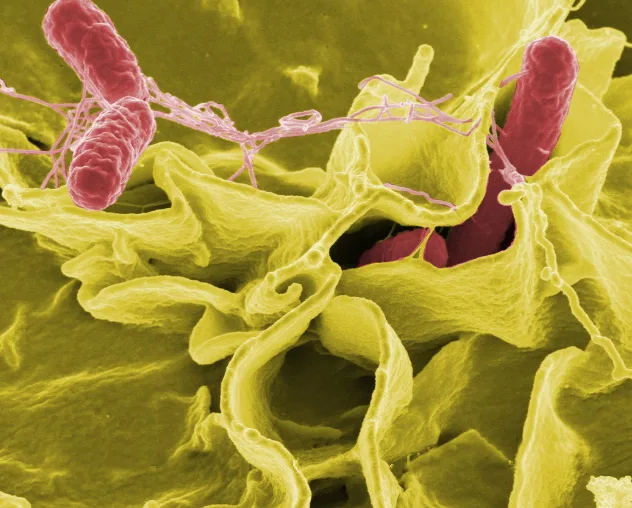
Gastroenteritis typically occurs when your immune system activates an inflammatory response to defend your digestive tract against a temporary threat. These threats generally fall into a few categories:
- Viral Infections: The most common cause, with viruses like norovirus accounting for a significant portion of cases.
- Bacterial Infections: Caused by harmful bacteria such as Salmonella, E. coli, or Campylobacter.
- Chemical/Toxic Exposure: Ingesting toxins from contaminated water, poisonous plants, or heavily tainted foods.
Stomach Flu vs Food Poisoning Symptoms: How to Tell the Difference
When evaluating stomach flu vs food poisoning symptoms, the most confusing aspect is that the two conditions share almost identical warning signs. Furthermore, the term “stomach flu” is completely unrelated to influenza; it is simply a nickname for viral gastroenteritis. Complicating matters further, norovirus—the primary culprit behind the stomach flu—is also a leading cause of foodborne illness (food poisoning) in the United States.
Despite these overlaps, there are a few clues that can help you distinguish the source of your misery:
1. The Onset and Timeline
- Stomach Flu (Norovirus): Symptoms typically have an incubation period of 10 to 48 hours after exposure. The illness strikes suddenly and usually lasts for 1 to 3 days, though it can drag on longer in vulnerable individuals.
- Food Poisoning: Depending on the specific bacteria or toxin, symptoms can begin rapidly—sometimes within mere hours of eating contaminated food.
2. The Core Symptoms
While both conditions cause intense digestive distress, comparing stomach flu vs food poisoning symptoms often comes down to the presence of systemic signs (symptoms that affect the whole body).
- Shared Symptoms: Both conditions commonly feature watery diarrhea, intense nausea, vomiting, and abdominal cramping.
- Systemic Symptoms: Viral infections, such as norovirus, are more likely to cause systemic symptoms alongside digestive upset. These may include a fever, chills, fatigue, headaches, and persistent body aches.
3. How You Were Exposed
- Stomach Flu: Viral gastroenteritis is highly contagious. It spreads rapidly through direct contact with infected individuals or by touching contaminated surfaces in crowded environments like schools, nursing homes, and cruise ships. Remarkably, an infected person can continue to shed the virus and remain contagious for up to two weeks after they feel better.
- Food Poisoning: This occurs directly from consuming contaminated food or water. Common culprits include raw or undercooked meat, unwashed produce, and shellfish such as oysters harvested from contaminated waters.
Key Steps for Prevention and Recovery
For the vast majority of people, gastroenteritis is a self-limiting condition that your body will clear on its own within a few days. The most critical complication to watch out for is dehydration caused by the rapid loss of fluids and electrolytes.
To manage your symptoms safely at home:
- Prioritize Hydration: Sip on water, clear soup broths, or hydration formulas (sports drinks). Sucking on ice chips or popsicles can also help if you cannot keep liquids down.
- Eat a Bland Diet: When your appetite returns, stick to easy-to-digest foods like crackers, toast, bananas, and applesauce.
- Avoid Irritants: Steer clear of dairy, caffeine, alcohol, spicy dishes, and overly rich or fatty foods until your digestive tract fully recovers.
- Practice Strict Hygiene: Wash your hands thoroughly with soap for at least 20 seconds, and diligently disinfect shared bathroom and kitchen surfaces to protect others in your household.
When to Seek Medical Attention

While most bouts of stomach flu or food poisoning resolve without intervention, you should remain vigilant for “red flag” symptoms. Contact a healthcare provider immediately if you experience an inability to keep any fluids down, bloody diarrhea, green vomit, severe and rigid abdominal pain, a fever over 104°F (40°C), or if your symptoms last longer than five days.Don’t wait if you are concerned about your recovery. If you are experiencing severe symptoms, are severely dehydrated, or simply need expert medical advice to navigate your illness, we are here to help. Contact us today or book an appointment with our clinic to ensure you get the supportive care you need to feel better faster.