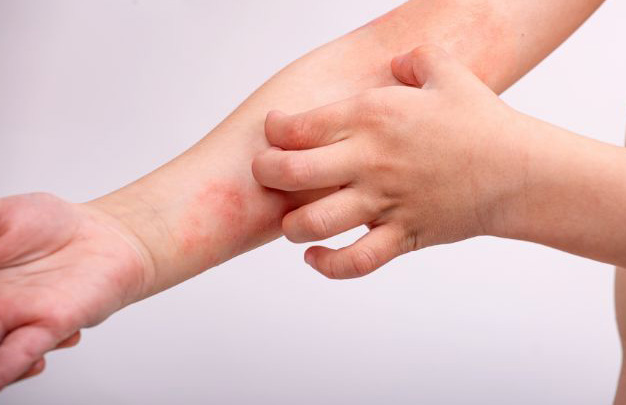
Living with the constant itch, redness, and inflammation of eczema can feel like an uphill battle. Whether you are dealing with a child’s first flare-up or managing a lifelong chronic condition, the traditional hurdles of healthcare—long wait times, travel costs, and limited specialist access—often add stress to an already frustrating situation. Fortunately, a new era of dermatology is here. By leveraging virtual skin care, patients can now access expert management and relief from the comfort of their own homes.
Understanding the Eczema Challenge

Eczema, or dermatitis, is not just a single condition but a group of disorders that cause dry, itchy, and inflamed skin. It is one of the most common skin diseases globally, affecting up to 20% of children and 10% of adults in high-income countries.
Types of Eczema
The two most common forms you may encounter include:
- Atopic Dermatitis (AD): A chronic condition often related to a weak skin barrier or a gene variation that makes the skin less able to retain moisture and protect against irritants.
- Contact Dermatitis: This occurs when the skin becomes inflamed after touching a specific chemical or allergen. In fact, it accounts for 90–95% of occupational skin diseases in the United States.
The “Brick Wall” Analogy
Medical experts often describe healthy skin as a solid “brick wall.” In people with eczema, that wall can look more like a “wicker basket,” allowing moisture to escape and allergens to enter more easily. This vulnerability leads to common symptoms such as:
- Intense itchiness (pruritus).
- Dry, cracked, or thickened skin.
- Oozing and crusting.
- Red, swollen, or scaly patches.
The Power of Virtual Skin Care

As technology evolves, virtual skin care—often called teledermatology—has emerged as a vital tool for managing chronic skin conditions. This approach uses secure digital platforms to connect patients with telehealth professionals remotely, bypassing many of the traditional barriers to care.
How Virtual Skin Care Works
Most virtual skin care models use an “asynchronous” or “store-and-forward” method. In this model, you can take high-quality photos of your skin and upload them to a secure portal along with your medical history. A specialist then reviews your case at a convenient time, providing a diagnosis and a personalized management plan.
Key Benefits of Remote Management
- Increased Accessibility: Virtual platforms are a game-changer for those living in rural areas where specialists are scarce.
- Reduced Wait Times: While the median wait time for an in-person medical professional in some regions can be over 90 days, virtual consults are often completed in less than a week.
- Cost-Effectiveness: By reducing the need for travel and minimizing time taken off work, virtual skin care can significantly lower the indirect costs of healthcare.
- Efficient Triage: Telehealth allows specialists to prioritize urgent cases, ensuring that those who truly need in-person procedures get them faster.
Is Teledermatology as Effective as In-Person Visits?
One of the most common questions patients ask is whether remote care is as reliable as on-site medical care. According to a systematic review of clinical studies, the answer is a resounding yes.
Research has shown that teledermatology for the follow-up and management of atopic dermatitis is equivalent to in-person appointments in terms of improving disease severity and patient quality of life. Furthermore, studies have demonstrated that virtual diagnoses match final in-person diagnoses over 84% of the time. Specialists can successfully manage about 72% of patients entirely through virtual platforms, referring only the most complex cases for in-person evaluation.
Practical Tips for Managing Eczema at Home
While virtual skin care provides the expert guidance you need, daily self-care remains the foundation of eczema management.
Building a Skin-Safe Routine
- Moisturize Frequently: Apply an unscented cream or ointment at least twice a day to seal in moisture.
- Short, Warm Baths: Limit showers to 10 minutes using warm (not hot) water and gentle, non-soap cleansers.
- Identify Your Triggers: Eczema can be flared by many environmental factors, including:
- Rough fabrics like wool.
- Heat, sweat, and dry air.
- Household cleaning products and harsh detergents.
- Workplace chemicals like organic solvents or pesticides.
Managing the “Itch-Scratch” Cycle
Scratching may provide temporary relief, but it actually activates nerve fibers that make the skin even itchier. This can lead to neurodermatitis—where the skin becomes thick and leathery—and increases the risk of life-threatening skin infections. Your virtual provider can prescribe medicated ointments or oral medications to help break this cycle.
Closing Thoughts: Embrace the Future of Dermatology
Eczema is a complex, multisystem disorder that requires consistent, expert monitoring. With the rise of virtual skin care, you no longer have to wait months for relief or travel long distances to see a specialist. Telehealth offers a scientifically proven, cost-effective, and highly convenient way to reclaim control over your skin health.Ready to start your journey toward clearer, calmer skin? Contact us today or book a virtual appointment to connect with a specialist who can help you manage your eczema with the modern care you deserve.