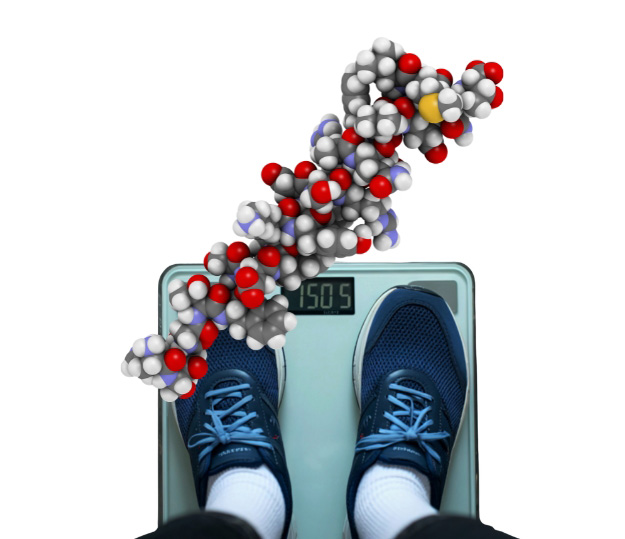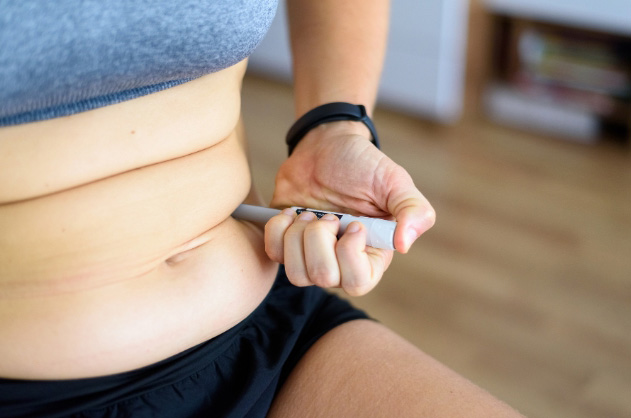
If you have started a weight loss journey using medications like semaglutide (Ozempic®, Wegovy®) or tirzepatide (Mounjaro®, Zepbound™), you likely experienced significant success in the beginning. These medications have revolutionized obesity care, helping people lose 15% to 20% of their body weight on average. However, many patients eventually hit a wall where the scale stops moving, despite continuing their medication and routine. This is known as a weight loss plateau.
While frustrating, hitting a plateau is a normal biological response. Navigating this phase requires more than just a prescription refill; it requires a comprehensive medical strategy. This is where telehealth shines. By providing accessible, continuous care, telehealth providers can offer the precise GLP-1 Plateau Management required to help you restart your progress and achieve long-term metabolic health.
Understanding the Science of GLP-1 Agonists

To understand why weight loss stalls, we first must understand how these medications work. GLP-1 agonists mimic a naturally occurring hormone in your small intestine called glucagon-like peptide-1. When you eat, this hormone plays several critical roles:
- Triggers insulin release: This helps lower blood sugar.
- Slows stomach emptying: Slower digestion means you feel full longer.
- Increases satiety: It targets areas of the brain that process hunger, effectively reducing “food chatter” and cravings.
While these mechanisms are powerful, the human body is designed to defend a certain body mass, often referred to as a “set point”. As you lose weight, your body may fight back through “metabolic adaptation,” where it lowers your energy expenditure and increases hunger signals to preserve fat stores.
Mastering GLP-1 Plateau Management
GLP-1 Plateau Management is not about simply eating less; it is about outsmarting the body’s metabolic adaptation through data-driven adjustments. A plateau typically occurs around 3 to 6 months into treatment, or sometimes later, depending on the specific medication.
Telehealth providers are uniquely positioned to manage this phase because they can offer frequent touchpoints to adjust your treatment plan in real-time. Here is how a comprehensive telehealth approach tackles the plateau:

1. Precision Nutritional Adjustments
When weight loss stalls, diet becomes paramount. Telehealth professionals can review your current intake to ensure you are not inadvertently consuming foods that spike blood sugar or lower the medication’s effectiveness.
- Prioritize Protein and Fiber: A diet rich in vegetables, legumes, and whole grains improves the effectiveness of GLP-1 medications.
- Focus on Specific Foods: Incorporating eggs, healthy fats (like avocados and olive oil), and leafy greens can stimulate the natural release of GLP-1, working alongside your medication.
- Identify Hidden Saboteurs: Refined carbohydrates, sugary beverages, and high-fat fried foods can cause rapid blood sugar spikes that counteract the medication’s benefits.
2. Medication Titration and Optimization
A plateau may indicate that your body has adapted to your current dosage. In a traditional clinical setting, you might wait months to see a medical professional. Through telehealth, you can address dosage concerns immediately.
- Dosage Adjustment: Your provider may increase your dosage to restart weight loss, provided you are tolerating the medication well.
- Medication Rotation: If a selective GLP-1 agonist (like semaglutide) is no longer effective, a provider might switch you to a dual agonist like tirzepatide, which targets both GLP-1 and GIP receptors. Studies show tirzepatide can lead to upwards of 22.5% weight loss, offering a potent alternative for breaking stalls.
3. Combatting Muscle Loss (Sarcopenia)

A critical aspect of GLP-1 Plateau Management is analyzing body composition. Rapid weight loss can lead to muscle loss, which lowers your metabolism and makes it harder to lose weight.
- Resistance Training: Telehealth physical therapists or coaches can prescribe home-based strength routines to preserve lean muscle mass.
- Protein Intake: Ensuring adequate protein intake is vital to counteract the loss of lean tissue often seen in GLP-1 trials.
The Importance of a Multi-Disciplinary Approach
Effective weight management is rarely solved by medication alone. Research confirms that the most effective management of conditions like Type 2 diabetes and obesity involves a combination of medication, dietary changes, and behavioral modification.
Behavioral and Psychological Support
Weight loss plateaus can be psychologically discouraging. Telehealth platforms often integrate mental health support to help patients navigate the emotional aspects of weight management.
- Stress Management: High stress can impact metabolic health.
- Motivation: Regular check-ins help maintain the “dietary restraint” necessary for weight loss maintenance.
- Support Systems: A supportive team approach, often more accessible via remote sessions, is associated with better weight management outcomes.
Addressing Side Effects
Sometimes a plateau exists because a patient cannot increase their dose due to side effects like nausea or gastrointestinal discomfort. Telehealth providers can quickly prescribe anti-nausea medications or adjust titration schedules to help you comfortably reach a therapeutic dose.
Looking Ahead: Long-Term Maintenance

The ultimate goal of GLP-1 Plateau Management is not just breaking the stall, but ensuring the weight stays off. Studies indicate that discontinuation of GLP-1 medications often leads to significant weight regain—essentially, the return of the hunger the medication was suppressing.
Because obesity is a chronic condition, it requires lifelong management similar to hypertension or asthma. Regular telehealth appointments allow for a “maintenance phase” strategy, which might include:
- Finding the lowest effective maintenance dose.
- Continued nutritional monitoring to prevent metabolic adaptation.
- Ongoing surveillance for long-term health markers, such as blood pressure and kidney function.
Taking the Next Step

Harnessing the power of GLP-1 Plateau Management requires a partnership between patient and provider. It is a complex balance of biology, pharmacology, and lifestyle. You do not have to navigate the frustration of a stalled scale alone. By utilizing telehealth, you gain access to a team of experts who can fine-tune your nutrition, adjust your medication, and provide the behavioral support necessary to break through barriers.
If you are currently stuck at a weight loss plateau or want to ensure you are maximizing the benefits of your GLP-1 medication, we are here to help.Ready to restart your progress? Book an appointment with our specialized care team today to create your personalized plateau management plan.